Your safe protects your most valuable possessions. It guards important documents, jewelry, cash, and family heirlooms from theft and disaster. However, a safe is only as reliable as its locking mechanism. Many Central Florida homeowners and business owners overlook subtle warning signals until the lock completely malfunctions. Consequently, they face stressful lockouts or compromised security.
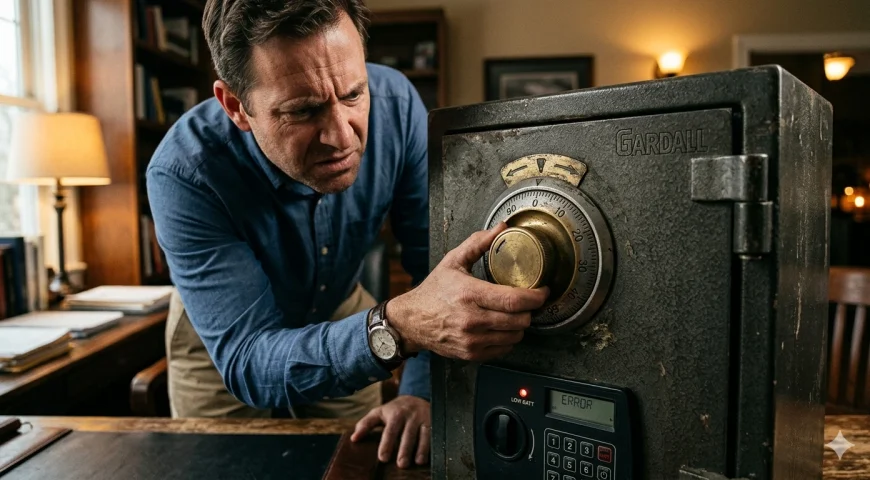
Signs your safe lock is failing often appear gradually. You might notice stiffness when turning the dial. Perhaps the electronic keypad responds inconsistently. These small frustrations usually indicate deeper mechanical or electrical problems. Furthermore, Florida’s humid climate accelerates wear on metal components and electronic circuits inside safes.
In this guide, we will explore the most common indicators of safe lock deterioration. Additionally, we will explain what causes these problems and how professional intervention prevents costly emergencies. You will learn when to attempt simple troubleshooting and when to contact a certified safe locksmith. By the end, you will confidently recognize the signs your safe lock is failing and know exactly how to respond.
Early Warning Signs Your Safe Lock Is Failing
Recognizing problems early saves money and prevents lockouts. Most safe lock failures develop slowly, so attentive owners can intervene before total breakdown occurs.
Difficulty Turning the Dial or Handle
Mechanical safes rely on precise internal wheels and cams. When these components wear down, the dial becomes harder to rotate. You may feel grinding, sticking, or unusual resistance. Similarly, the handle might require extra force to engage the locking bolts.
This stiffness often stems from dust accumulation, lack of lubrication, or corroded internal parts. In Central Florida, high humidity frequently causes metal components to rust. Therefore, difficulty turning your safe dial represents one of the clearest signs your safe lock is failing. Do not ignore this symptom; forcing the mechanism can break internal parts permanently.
Inconsistent Electronic Keypad Response
Electronic safes offer convenience, but their keypads deteriorate over time. You might press the correct code repeatedly before the lock recognizes it. Alternatively, certain buttons feel unresponsive or require multiple presses.
Battery issues sometimes cause these symptoms. However, if fresh batteries do not resolve the problem, the keypad membrane or circuit board likely degrades. Moreover, moisture infiltration damages electronic components in Florida’s climate. Inconsistent response ranks among the most frustrating signs your safe lock is failing because it creates unpredictable access.
Audible Clicking or Grinding Noises
A healthy safe lock operates quietly and smoothly. Unusual sounds indicate mechanical distress. Grinding noises suggest worn gears or misaligned bolt work. Clicking without bolt movement often means broken internal components.
These sounds typically worsen over time. Eventually, the mechanism may seize completely. For this reason, any new or unusual noise demands immediate attention from a safe opening and repair specialist.
Delayed Bolt Retraction or Extension
When you enter the correct combination, the locking bolts should retract promptly. Delays suggest internal friction or electrical relay problems. The bolts might move partially, then stop, requiring additional manipulation.
This hesitation indicates the lock struggles to complete its cycle. Eventually, the bolts may fail to move at all, trapping your valuables inside. Prompt service prevents this escalation.
Visible Rust or Corrosion on External Components
Florida’s coastal and inland humidity promotes rapid corrosion. Rust on the dial, handle, or keypad housing suggests moisture has penetrated the safe’s exterior. More importantly, it signals potential internal corrosion you cannot see.
External rust often accompanies internal deterioration. The locking mechanism, bolt work, and electronic components all suffer when moisture enters the safe. Regular inspection helps you spot these visible signs your safe lock is failing before they affect operation.
Common Causes Behind Safe Lock Deterioration
Understanding why locks fail helps you prevent problems. Several factors contribute to safe lock degradation, especially in Central Florida’s unique environment.
Environmental Humidity and Temperature Fluctuations
Central Florida experiences extreme humidity year-round. Moisture seeps into safes through microscopic gaps, corroding metal parts and shorting electrical circuits. Temperature swings between air-conditioned interiors and hot garages exacerbate expansion and contraction in metal components.
These environmental stresses accelerate wear beyond normal expectations. Consequently, safes in Florida often require more frequent maintenance than those in drier climates. Professional lock repair services address humidity-related damage effectively.
Infrequent Use and Lack of Maintenance
Safes protect items you rarely access. Ironically, this infrequent use contributes to mechanical problems. Internal lubricants dry out over time. Dust settles on precision components. Springs lose tension when compressed continuously in the same position.
Regular operation and professional maintenance prevent these issues. Furthermore, periodic inspection by a residential locksmith ensures your safe remains functional when you need it most.
Manufacturing Defects and Age-Related Wear
Even quality safes eventually succumb to age. Internal springs fatigue, plastic components become brittle, and electronic parts reach end-of-life. Additionally, some safes ship with substandard locks that fail prematurely. The Associated Locksmiths of America recommends choosing safes with certified, tested locking mechanisms to avoid these pitfalls.
Most mechanical safe locks last approximately ten to fifteen years with proper care. Electronic locks typically function reliably for seven to ten years. Beyond these ranges, failure probability increases significantly.
Physical Damage from Moving or Impact
Relocating a safe improperly damages its internal mechanisms. Dropping, tilting, or striking the safe misaligns precision components. The dial may appear undamaged while internal bolt work bends or cracks.
Always use professional safe movers for relocation. If you suspect impact damage, schedule inspection immediately to prevent sudden failure.
When Safe Lock Problems Become Security Risks
A malfunctioning safe lock threatens more than convenience. It actively compromises your security posture in several ways.
Compromised Access During Emergencies
During emergencies, you need immediate access to passports, insurance documents, or valuables. A failing lock transforms this urgent need into a stressful crisis. Imagine needing critical documents during a hurricane evacuation, only to find your safe unresponsive.
This scenario plays out regularly across Central Florida. Preventative maintenance eliminates this vulnerability. Additionally, knowing a reliable emergency locksmith provides peace of mind.
Complete Lockout and Potential Damage
When locks fail completely, owners sometimes attempt destructive entry methods. Drilling, prying, or hammering damages the safe permanently. Furthermore, these methods risk destroying the contents you aimed to protect.
Professional safe technicians possess specialized tools and training for non-destructive entry. They preserve both the container and its contents while restoring functionality.
False Security from Partially Functioning Locks
Some owners continue using safes with intermittent problems. They believe the safe still protects their valuables because it occasionally works. However, a lock that fails intermittently will fail completely, often at the worst possible moment.
Moreover, burglars exploit weakened locks more easily than fully functional ones. A compromised locking mechanism reduces the safe’s resistance to forced entry. For these reasons, any operational inconsistency demands prompt professional attention.
Professional Solutions for Failing Safe Locks
When you recognize the signs your safe lock is failing, professional intervention provides the safest resolution. Certified locksmiths offer several solutions depending on your specific situation.
Safe Lock Repair and Restoration
Many failing locks require only component replacement or adjustment. A skilled technician disassembles the mechanism, cleans worn parts, replaces damaged components, and applies appropriate lubrication. This restoration often returns older locks to reliable function.
Repair typically costs less than replacement. Furthermore, it preserves the original security rating of your safe. For antique or high-security safes, repair maintains authenticity and value.
Safe Lock Replacement and Upgrades
Sometimes repair proves impractical or impossible. In these cases, professionals install new locks matching or exceeding original specifications. Modern replacements often offer improved security features. The National Institute of Standards and Technology provides testing standards that help consumers evaluate lock quality before upgrading.
Upgrading from mechanical to electronic locks provides convenience without sacrificing security. Conversely, replacing failing electronic locks with high-quality mechanical alternatives eliminates battery dependence. A commercial locksmith can recommend optimal upgrades for business safes.
Emergency Safe Opening Services
When failure occurs suddenly, emergency opening services become essential. Professional safe locksmiths use specialized techniques to open locked containers without unnecessary damage. These methods include manipulation, scope inspection, and precise drilling when absolutely necessary.
Near Me Key provides 24/7 locksmith services throughout Central Florida. Our technicians respond rapidly to safe lockouts, minimizing your inconvenience and stress.
DIY Troubleshooting vs. Professional Service
Some safe lock symptoms allow simple homeowner intervention. However, knowing the boundary between DIY troubleshooting and professional service prevents costly mistakes.
Safe DIY Checks You Can Perform
Start with obvious solutions when electronic keypads malfunction. Replace batteries with fresh, high-quality alkaline cells. Ensure battery contacts remain clean and corrosion-free. For mechanical locks, verify you enter the correct combination; even experienced users make entry errors.
Check for visible obstructions around the door frame. Sometimes shifted contents inside the safe press against the door, preventing bolt movement. Similarly, verify the safe sits level; severe tilting affects bolt alignment.
When to Stop and Call a Professional
Stop troubleshooting immediately if you encounter grinding, sticking, or unusual resistance. Forcing a mechanical lock breaks internal components, converting a simple repair into expensive replacement. Likewise, never attempt to disassemble electronic locks; improper handling voids warranties and risks electrical shock.
If your safe contains irreplaceable valuables or sensitive documents, professional service always represents the wiser choice. The cost of expert intervention pales beside the value of protected contents. Contact a safe opening and repair expert when problems exceed basic battery replacement.
Preventative Maintenance for Long-Term Safe Health
Proactive care extends safe lock lifespan significantly. Implement these practices to avoid encountering the signs your safe lock is failing.
Regular Operation and Inspection
Operate your safe mechanism every three to four months, even if you do not need the contents. This movement distributes lubricants and prevents component seizure. During these exercises, note any changes in feel, sound, or responsiveness.
Inspect external components quarterly for rust, corrosion, or physical damage. Address environmental concerns promptly; consider dehumidifiers for rooms containing safes.
Professional Servicing Schedule
Schedule professional safe maintenance every two to three years. Technicians disassemble, clean, inspect, and lubricate internal components. They identify emerging problems before they cause failure.
This preventative investment typically costs far less than emergency service or lock replacement. Furthermore, it ensures your safe remains ready to protect valuables during hurricanes, break-ins, or other Central Florida emergencies.
Environmental Controls
Control humidity around your safe whenever possible. Air conditioning reduces ambient moisture significantly. Additionally, silica gel packets inside the safe absorb residual humidity. Replace these packets regularly according to manufacturer instructions.
Avoid installing safes in garages, sheds, or unconditioned spaces unless specifically rated for such environments. Florida’s extreme humidity challenges even weather-resistant models. Consumer Reports offers helpful guidance on selecting climate-appropriate safes for humid regions.
FAQ: Common Questions About Safe Lock Failure
Homeowners and business owners throughout Central Florida ask similar questions when their safes malfunction. The following answers address the most frequent concerns.
What are the first signs your safe lock is failing?
The earliest indicators include stiffness when operating the dial or handle, inconsistent electronic keypad response, and unusual noises during operation. Additionally, you might notice delayed bolt movement or visible corrosion on external components. These symptoms typically develop gradually, so attentive owners can intervene before complete failure occurs.
Can humidity in Central Florida damage my safe lock?
Absolutely. Florida’s high humidity accelerates corrosion in mechanical components and damages electronic circuits. Moisture infiltration causes rust, electrical shorts, and premature component failure. Therefore, climate control and regular maintenance prove especially important for safes in this region.
Should I repair or replace a failing safe lock?
This decision depends on the lock’s age, damage extent, and safe value. Repair often suffices for quality locks with isolated component failure. However, replacement becomes preferable when locks reach end-of-life, suffer extensive damage, or when superior security technology exists. A professional assessment guides this decision accurately.
How much does safe lock repair cost in Central Florida?
Repair costs vary based on lock type, damage severity, and service urgency. Simple maintenance and adjustment typically fall at the lower end of the pricing spectrum. Complex repairs or emergency services during nights or weekends command higher rates. Contact Near Me Key for transparent, competitive quotes tailored to your specific situation.
Can a locksmith open my safe if the lock has completely failed?
Yes, certified safe locksmiths possess specialized training and tools for non-destructive safe opening. Techniques include manipulation, scope inspection, and precision drilling when necessary. Professional opening preserves both the safe container and its contents. Attempting forced entry yourself risks permanent damage and potential injury.
How often should I have my safe lock professionally serviced?
Most safes benefit from professional servicing every two to three years. However, safes in high-humidity environments like Central Florida may require more frequent attention. Additionally, increase service frequency if you notice any operational changes between scheduled appointments.
Will a failing safe lock affect my insurance coverage?
Potentially. Some insurance policies require properly functioning safes for specific coverage terms. A documented lock failure might complicate claims if valuables suffer loss or damage. Furthermore, insurers sometimes offer premium discounts for professionally maintained security equipment. Consult your policy details and consider maintenance records for coverage protection.
Is it safe to continue using a safe with an intermittent lock problem?
No, intermittent operation indicates progressive failure. The lock will eventually fail completely, likely during critical moments. Additionally, weakened locks offer reduced resistance to forced entry. Schedule professional service promptly when you notice any operational inconsistency.
Conclusion: Protect Your Valuables by Recognizing the Signs Your Safe Lock Is Failing
Your safe exists to provide security and peace of mind. However, a deteriorating lock undermines both purposes. Throughout this guide, we have examined the critical signs your safe lock is failing, from mechanical stiffness and electronic inconsistency to audible distress signals and visible corrosion.
Early recognition enables cost-effective solutions. Simple repairs restore function before catastrophic failure occurs. Furthermore, preventative maintenance extends lock lifespan while preserving your safe’s protective capabilities. In Central Florida’s challenging climate, these proactive measures prove especially valuable.
Do not wait until your safe refuses to open during an emergency. Instead, address emerging problems promptly with professional assistance. Near Me Key serves homeowners and businesses throughout Central Florida with expert safe opening and repair, emergency locksmith services, and comprehensive security solutions.
Contact Near Me Key today for safe lock inspection, maintenance, or repair. Our certified technicians respond quickly to protect what matters most. Because when it comes to safeguarding your valuables, timely action today prevents stressful crises tomorrow.