Homeowners across Central Florida face an important question every day. Are smart locks safer than traditional locks? The answer shapes how families protect their property. It also influences daily convenience and long-term security budgets.
This guide examines both locking systems in detail. We will compare mechanical deadbolts with electronic entry devices. Additionally, we will explore installation requirements, vulnerability factors, and real-world performance. By the end, you will understand which option fits your Orlando-area home best.
What Are Smart Locks and How Do They Work?
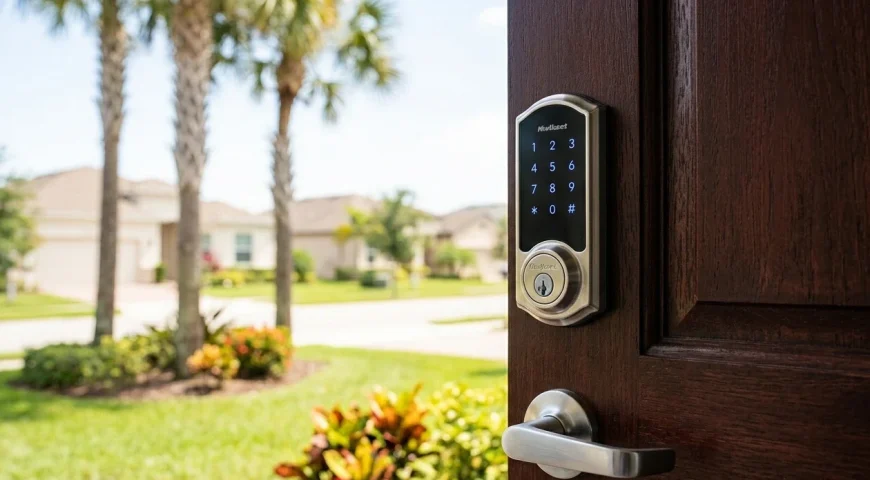
Smart locks replace or augment standard door hardware with electronic components. They allow keyless entry through smartphones, keypads, or biometric scanners. Furthermore, many models connect to Wi-Fi or Bluetooth networks for remote management.
These devices typically feature motorized deadbolts. Users control them via mobile applications. Some versions include auto-lock timers. Others send real-time notifications when someone enters or exits.
Consequently, smart locks appeal to tech-savvy homeowners. They also attract rental property managers and busy families. However, understanding their internal mechanics remains essential before making a purchase.
Key Components of Electronic Locking Systems
Most smart locks contain several critical elements. First, they require a power source, usually batteries. Second, they need a communication module for network connectivity. Third, they incorporate a motorized locking mechanism.
Moreover, advanced models include encryption chips. These protect digital signals from interception. Some also feature backup key cylinders. This ensures entry during power failures or electronic malfunctions.
Therefore, smart locks blend hardware security with software management. This hybrid approach creates unique advantages. It also introduces specific vulnerabilities that traditional systems avoid.
Understanding Traditional Lock Mechanics
Mechanical locks have secured homes for centuries. They rely on physical components rather than electronics. Deadbolts, knob locks, and mortise systems fall into this category.
Traditional locks operate through pin tumblers or wafer mechanisms. A correctly cut key aligns internal pins. This allows the cylinder to rotate. Once rotated, the bolt retracts or extends.
Because of this simplicity, mechanical locks resist certain failure modes. They do not depend on batteries. They also function during power outages. Additionally, they remain immune to cyberattacks.
Types of Conventional Locks Common in Central Florida
Homeowners near Orlando and surrounding communities typically encounter several varieties. Single-cylinder deadbolts represent the most popular choice. They require a key outside and feature a thumb turn inside.
Double-cylinder deadbolts need keys on both sides. These prevent burglars from breaking nearby glass and reaching inside. However, they also complicate emergency exits.
Furthermore, many residences use Grade 1 or Grade 2 ANSI-certified locks. Grade 1 offers the highest residential security. It withstands significant force and picking attempts.
Are Smart Locks Safer Than Traditional Locks? A Direct Comparison
To answer this question fairly, we must evaluate multiple security dimensions. Physical resistance, digital protection, and everyday reliability all matter. Let us examine each factor systematically.
Physical Security and Forced Entry Resistance
Smart locks often mount on existing door preparations. Consequently, their physical hardware may match traditional deadbolts. Many manufacturers use hardened steel bolts. They also incorporate anti-drill plates.
Nevertheless, some electronic models prioritize convenience over strength. Plastic housings and weaker mounting screws reduce durability. In contrast, high-security mechanical locks consistently use robust materials.
Moreover, both lock types face similar physical attacks. Crowbars, hammers, and drills threaten any door hardware. Therefore, installation quality and door frame strength often matter more than the lock itself.
Digital Vulnerabilities vs. Picking Threats
Here lies the most significant difference. Smart locks introduce cyber risks that mechanical systems cannot experience. Hackers might exploit Bluetooth weaknesses. They could also intercept Wi-Fi signals or guess default passwords.
Conversely, traditional locks face picking and bumping. Skilled intruders manipulate pin tumblers with specialized tools. However, high-security mechanical cylinders resist these techniques effectively.
Additionally, smart lock users must manage firmware updates. Outdated software creates exploitable entry points. Traditional lock owners avoid this maintenance burden entirely.
Reliability During Emergencies and Power Failures
Central Florida experiences severe weather regularly. Hurricanes and tropical storms cause extended power outages. During these events, smart locks may struggle without battery backups.
Most electronic models include emergency power options. Some use 9-volt terminals. Others retain physical key overrides. Still, homeowners must monitor battery levels proactively.
Traditional locks function regardless of environmental conditions. They need no charging. They also perform reliably after flooding or heat exposure. This consistency provides peace of mind during Florida storm seasons.
Convenience Features That Impact Daily Security
Modern homeowners increasingly value seamless access. Smart locks deliver convenience that mechanical systems cannot match. However, convenience sometimes trades off with absolute security.
Remote Access and Guest Management
Smart locks excel at temporary access creation. Homeowners generate unique codes for dog walkers or house cleaners. They also revoke these codes instantly when no longer needed.
Furthermore, vacation rental owners near Disney and Kissimmee benefit tremendously. Remote code generation eliminates key exchanges. It also creates entry logs for accountability.
Traditional locks require physical key duplication. This process takes time and money. Lost keys also necessitate rekeying services. In this regard, smart locks offer superior access control.
Auto-Lock and Monitoring Capabilities
Many electronic models lock automatically after a set time. This prevents accidental unsecured periods. Users also receive smartphone alerts for unusual activity.
Conversely, traditional locks depend entirely on human memory. Family members might forget to engage deadbolts. Children may leave doors unlocked after playing outside.
Therefore, smart locks reduce human error. They create consistent security habits through automation. This feature particularly helps busy households in Winter Park and Oviedo.
Installation Considerations for Central Florida Homes
Proper installation determines lock effectiveness regardless of technology. Smart locks often retrofit existing deadbolt holes. However, compatibility varies across door thicknesses and bore sizes.
Professional Installation vs. DIY Approaches
Some smart locks install easily with basic tools. Others require drilling additional holes or configuring network settings. Homeowners with older doors may encounter alignment issues.
Professional lock installation ensures optimal performance. Technicians verify strike plate alignment. They also confirm bolt extension depth meets security standards.
Moreover, improper DIY installation creates vulnerabilities. Misaligned bolts may not fully engage. Weak strike plates tear away under force. Consequently, expert fitting maximizes any lock’s protective value.
Integration with Existing Security Systems
Smart locks often connect to broader smart home ecosystems. They interface with cameras, alarms, and lighting systems. This integration creates comprehensive security networks.
Traditional locks operate independently. They cannot trigger automation sequences. They also lack remote monitoring capabilities.
For homeowners seeking total property management, smart locks provide clear advantages. They transform isolated door hardware into connected security nodes.
Cost Analysis and Long-Term Value
Security investments should balance upfront costs with ongoing value. Smart locks typically command higher purchase prices. They also require periodic battery replacements.
Traditional locks offer lower initial expenses. However, rekeying after lost keys adds cumulative costs. Furthermore, they lack features that might reduce insurance premiums.
Some insurers offer discounts for monitored smart home systems. Remote access logs also provide evidence during claims investigations. Therefore, electronic locks may deliver financial benefits beyond basic security.
Common Myths About Smart Lock Safety
Misinformation confuses many homeowners considering electronic entry systems. Let us address prevalent misconceptions directly.
Myth: Smart Locks Are Easily Hacked
Reality varies by manufacturer and user behavior. Premium smart locks employ bank-grade encryption. They also use secure boot processes that resist tampering.
However, cheap models with default passwords remain vulnerable. Users must change factory settings immediately. They should also enable two-factor authentication when available.
Therefore, quality smart locks resist casual hacking attempts. They match or exceed the security of easily picked mechanical locks.
Myth: Electronic Locks Fail Constantly
Battery life concerns many potential buyers. Yet most smart locks operate for six months to one year on standard batteries. Low-battery warnings appear weeks before depletion.
Additionally, physical key overrides prevent lockouts. Emergency power terminals provide temporary activation. These redundancies ensure reliable access under normal circumstances.
When Traditional Locks Remain the Better Choice
Despite smart lock advantages, mechanical systems suit specific situations. Understanding these contexts helps homeowners decide wisely.
High-Security Mechanical Options
High-security locks installation offers exceptional protection. Brands like Medeco and Mul-T-Lock feature patented keyways. They resist picking, drilling, and unauthorized duplication.
These cylinders provide security that consumer-grade smart locks cannot match. They also lack batteries, software, or connectivity components. For absolute physical security, premium mechanical locks remain unmatched.
Minimalist Preferences and Rental Properties
Some homeowners prefer simplicity. They distrust technology or lack reliable internet service. Others manage properties where tenants might damage electronic devices.
In these cases, durable mechanical deadbolts prove more practical. They withstand rough handling. They also require minimal maintenance over decades of use.
Smart Lock Best Practices for Central Florida Residents
Homeowners choosing electronic entry systems should follow security protocols. These measures maximize protection while minimizing digital risks.
Regular Maintenance and Updates
Check battery levels monthly. Replace power sources before warning indicators activate. Additionally, install manufacturer firmware updates promptly. These patches address discovered vulnerabilities.
Furthermore, review access logs periodically. Remove unused codes or deactivated user accounts. This housekeeping prevents former service providers from retaining entry privileges.
Network Security Fundamentals
Secure your home Wi-Fi with strong passwords. Use WPA3 encryption when available. Isolate smart home devices on separate network segments if possible.
Moreover, disable unnecessary features. Remote access from anywhere increases attack surfaces. Consider limiting app controls to home network connections only.
FAQ: Are Smart Locks Safer Than Traditional Locks?
Homeowners throughout Orlando, Winter Garden, and Sanford ask similar questions. Below, we address the most common concerns with clear, actionable answers.
Can smart locks be picked like regular locks?
Most smart locks retain physical key cylinders. Consequently, skilled attackers might pick these components. However, the electronic portions remain unpickable. High-quality models use pick-resistant cylinders. Therefore, they match or exceed traditional lock resistance against this specific threat.
What happens when a smart lock battery dies?
Manufacturers design multiple safeguards against power loss. First, mobile apps send low-battery alerts weeks in advance. Second, many models feature external emergency power terminals. Third, backup physical keys provide guaranteed entry. As a result, battery depletion rarely causes actual lockouts.
Are smart locks worth the extra cost for Central Florida homes?
Value depends on your specific needs. Families with frequent visitors benefit from temporary codes. Rental property owners appreciate remote management. Additionally, smart locks integrate with security system installation for comprehensive protection. For these users, the investment delivers substantial convenience and control.
Do smart locks work during hurricanes and power outages?
Battery-operated smart locks function normally during electrical failures. However, Wi-Fi-dependent features may lapse without internet service. Local Bluetooth connections usually persist. Furthermore, models with physical key overrides maintain access regardless of electronic status. Consequently, they perform adequately during Florida storm seasons.
Can burglars hack smart locks from outside my home?
Successful hacking requires specific conditions. Attackers must remain within Bluetooth range or access your Wi-Fi network. Strong passwords and updated firmware block most intrusion attempts. Moreover, hacking demands technical expertise that common burglars lack. In practice, forced entry remains far more prevalent than digital attacks.
Should I replace all my traditional locks with smart locks?
Complete replacement is not always necessary. Many homeowners install smart locks on primary entry doors. They retain mechanical hardware on secondary entrances. This hybrid approach balances convenience with redundancy. Furthermore, lock rekeying can upgrade existing mechanical systems cost-effectively.
Do insurance companies prefer smart locks over traditional locks?
Some insurers offer discounts for connected home security devices. Smart locks with activity logging support claims documentation. However, discounts vary by provider and policy. Contact your insurance representative for specific incentive details. Meanwhile, Grade 1 mechanical deadbolts also satisfy most underwriting requirements.
How long do smart locks typically last?
Quality smart locks endure five to ten years with proper care. Battery compartments may corrode in humid Florida climates. Regular cleaning extends component lifespan. In comparison, well-maintained mechanical locks last decades. Therefore, consider replacement timelines when evaluating total ownership costs.
Making Your Final Decision: Smart Locks or Traditional Locks?
Are smart locks safer than traditional locks? The honest answer depends on your priorities. Smart locks excel at access management, remote monitoring, and convenience automation. They reduce human error through auto-lock features. They also create detailed entry records.
Conversely, premium mechanical locks offer unmatched physical durability. They function without power or internet connectivity. They also resist cyber threats entirely. For homeowners prioritizing absolute reliability, traditional deadbolts remain compelling.
Ultimately, the best security system combines quality hardware with professional installation. Whether you choose electronic or mechanical options, proper fitting matters most. A poorly installed smart lock fails more easily than a expertly installed traditional deadbolt.
Near Me Key serves homeowners throughout Central Florida. Our technicians specialize in both smart lock installation and traditional deadbolt installation. We also provide emergency locksmith services when you need immediate assistance.
Contact our team today for a personalized security assessment. We will evaluate your doors, frames, and lifestyle needs. Then, we will recommend the optimal locking solution for your Orlando, Winter Park, or Kissimmee home. Your security deserves professional attention, and we deliver exactly that.